
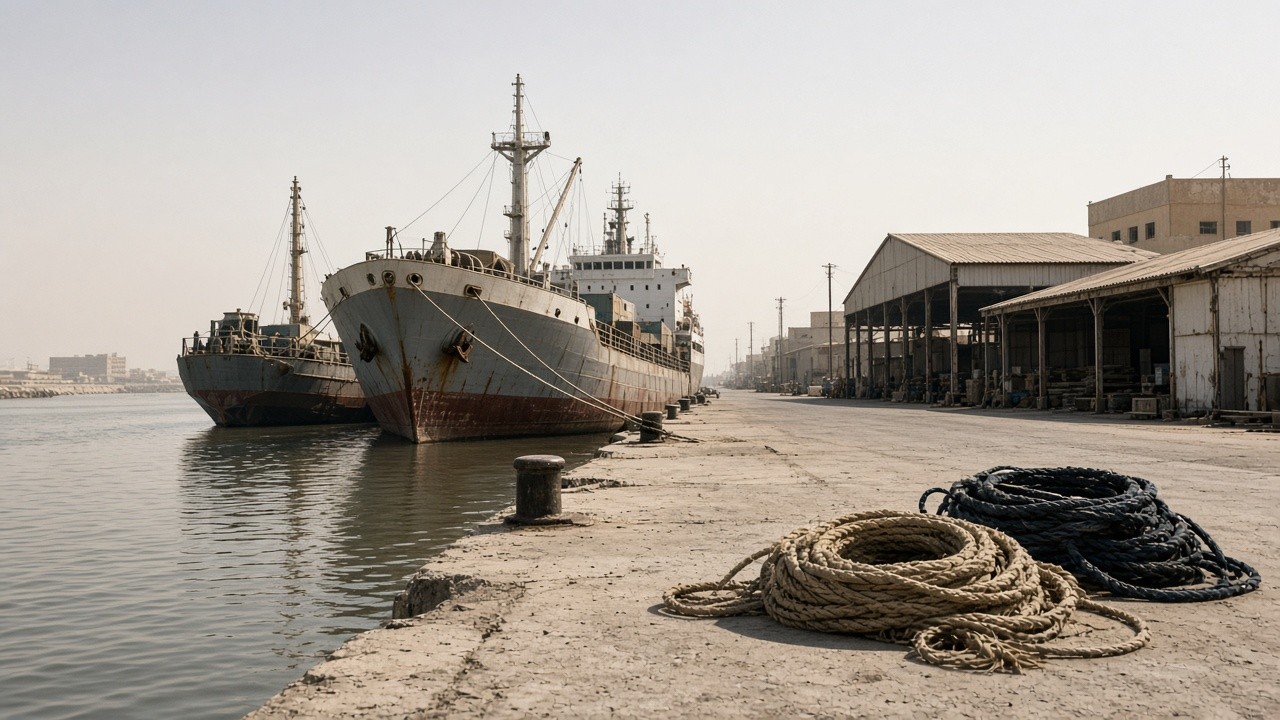
Sea freight
Sea Freight to and from the UAE
Most UAE imports still arrive by sea. The useful question is not whether a box can be booked — it is which port, which container type, and whether the documents will survive the declaration when the vessel berths.
At a glance
- FCL — full container load
- LCL — less than container load
- Port selection
- Import, export and re-export
Available across all seven emirates.
Quick answer
How does sea freight to the UAE work?
Sea freight to the UAE is a container or break-bulk movement booked to a named port, then cleared with that emirate’s customs authority before it can leave the terminal. Dubai container traffic is concentrated at Jebel Ali. Abu Dhabi container and industrial cargo uses Khalifa Port. Sharjah, Khorfakkan, Hamriyah, Ajman, Saqr Port and Fujairah each handle different mixes of containers, general cargo and bulk.
A full container (FCL) is booked when the cargo fills a 20ft or 40ft box, or should not be handled with other consignments. Less-than-container (LCL) cargo is consolidated, which lowers the freight but adds handling at both the origin warehouse and the UAE deconsolidation point. The bill of lading, commercial invoice and packing list have to describe the same goods, weights and packages, because that set is what the declaration is built from.
A sea rate on its own is a poor guide to cost. Free time at the terminal, the truck from the port gate, any permit the commodity needs, and whether the box is going to a mainland warehouse or a free zone all change the landed result. Those are planned with the booking, not after the vessel is on the berth.
RSG Shipping arranges the sea movement and keeps the customs position on the same file. We do not describe ourselves as a shipping line. Space is booked with the carrier that fits the transit, the equipment and the port. The branded road equipment you see on our trucks is the UAE leg after release, not the ocean voyage.
Port of entry is a planning choice. A box that will be delivered in Dubai is usually cleaner through Jebel Ali. Cargo for Abu Dhabi industry often belongs at Khalifa Port. East-coast and northern destinations can be shorter by road from Khorfakkan, Fujairah or Saqr than from a Dubai terminal, once the sailing and the customs system for that emirate are taken into account.
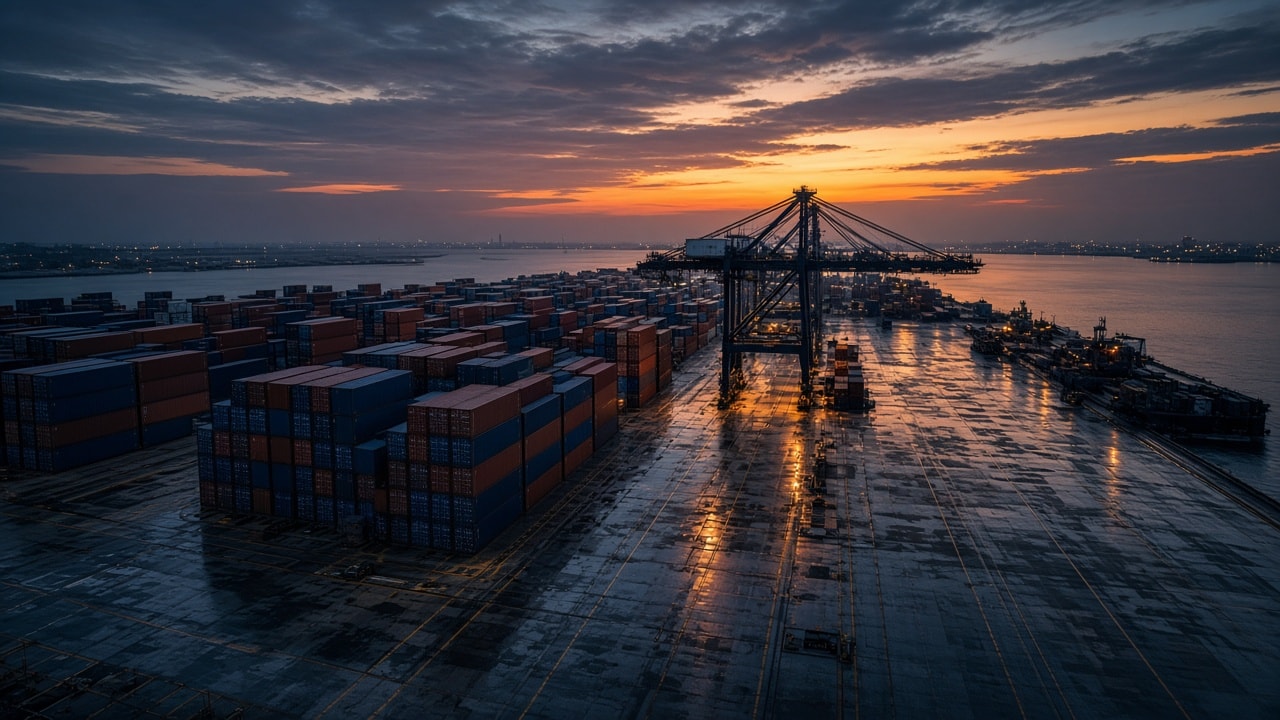
Service summary
- Service
- Sea freight
- Coverage
- All seven emirates of the UAE
- Typical clients
- Importers landing regular boxes
- Where to start
- Send us the shipment details
Often combined with
What it covers
Scope of the service
Specific, so you can tell whether it matches what you need — and whether anything you need is missing.
- FCL — full container load
- 20ft and 40ft dry boxes, and specialist equipment such as high-cube, open-top, flat-rack or reefer when the cargo will not fit a standard dry container. Equipment is named at quotation, because a flat-rack sailing is not a dry-box sailing.
- LCL — less than container load
- Part loads consolidated with other cargo. Lower ocean freight, more handling, and a deconsolidation step in the UAE before the goods can be declared and delivered. Dimensions have to be honest: consolidation warehouses remeasure.
- Port selection
- Jebel Ali for Dubai container flows, Khalifa Port for Abu Dhabi, and the northern and east-coast ports where the destination or the commodity makes them the shorter path. The customs system follows the port, not the delivery address.
- Import, export and re-export
- Inbound boxes for mainland or free-zone delivery, outbound exports, and re-export of cargo that already has an entry record. The declaration type is different in each case.
- Documents that match the box
- Bill of lading, commercial invoice, packing list and certificate of origin checked against each other before the ship sails, so the UAE declaration is not the first time the mismatch is found.
- The road leg after release
- Once the box is released it still has to leave the gate and reach a site that can receive it. Vehicle, route and receiving window are part of the sea plan, not a separate surprise.
Process
How it works
What happens, in what order, and what we need from you at each stage.
Cargo, port and Incoterms
What is moving, the origin port, the UAE port that fits the destination, the container type, and who is responsible for import clearance under the agreed Incoterms rule.Booking and document check
Space is booked and the draft invoice, packing list and bill of lading are reconciled before departure. Restricted goods are flagged for permits at this point, not at the terminal.Arrival and declaration
The carrier’s arrival notice and delivery order, then the declaration with the customs authority of the emirate of the port. Duty and VAT are settled on the basis already worked out.Release and delivery
After release, the container is collected inside free time where the plan allows, and moved to the warehouse, free zone or site. Empty return is scheduled so detention does not replace the demurrage you just avoided.
Who it is for
Typical situations
If none of these describe you, the service may not be the right fit — and it is better to establish that now.
- Importers landing regular boxes
- Traders and distributors who need a repeatable path through one UAE port, with the same document standard on every file.
- Project and awkward cargo
- Machinery and out-of-gauge pieces that need flat-rack or open-top equipment and a delivery site checked before the sailing is fixed.
- Exporters sending UAE origin goods out
- Manufacturers and traders who need the export declaration and the ocean booking to describe the same shipment.
What you get
Why it is worth doing this way
- The port is chosen for the delivery, not the slogan
- Jebel Ali is not automatically the right berth for cargo that will live in Abu Dhabi or on the east coast.
- FCL and LCL are priced as different products
- Consolidation looks cheaper until the extra handling and the deconsolidation wait are on the same page as the ocean rate.
- Customs sits on the forwarding file
- The declaration is prepared from documents that were already checked, which is how sea freight avoids becoming storage.
- Free time is treated as a deadline
- The truck and the declaration are aimed at the terminal free time, because demurrage is usually more expensive than the planning it replaces.
FAQs
Sea freight — common questions
What is the difference between FCL and LCL sea freight?
Which UAE port should a container use?
How long does sea freight to Dubai take?
What documents does a UAE sea import need?
Do you own the vessels?
Related pages
Next step
Need sea freight for a shipment?
Send us what you are moving and we will come back with the position, the plan and the price — or the questions we need answered first.
- No obligation, and no account setup required to get a quote
- We say what we handle ourselves and what we would arrange for you
- If a shipment is not viable as described, we will tell you that too