
Customs clearance
Customs Clearance in the UAE
Customs clearance is the operational step that turns a correct customs position into released cargo: the declaration lodged, the charges settled, any inspection handled, and the goods free to move.
At a glance
- Import declarations
- Export and re-export declarations
- Free zone movements
- Transit movements
Available across all seven emirates.
Quick answer
What is customs clearance in the UAE?
Customs clearance in the UAE is the process of declaring goods to the customs authority of the emirate where they arrive, paying any duty and applicable VAT, satisfying inspection or permit requirements, and obtaining the release that allows the cargo to leave the customs-controlled area.
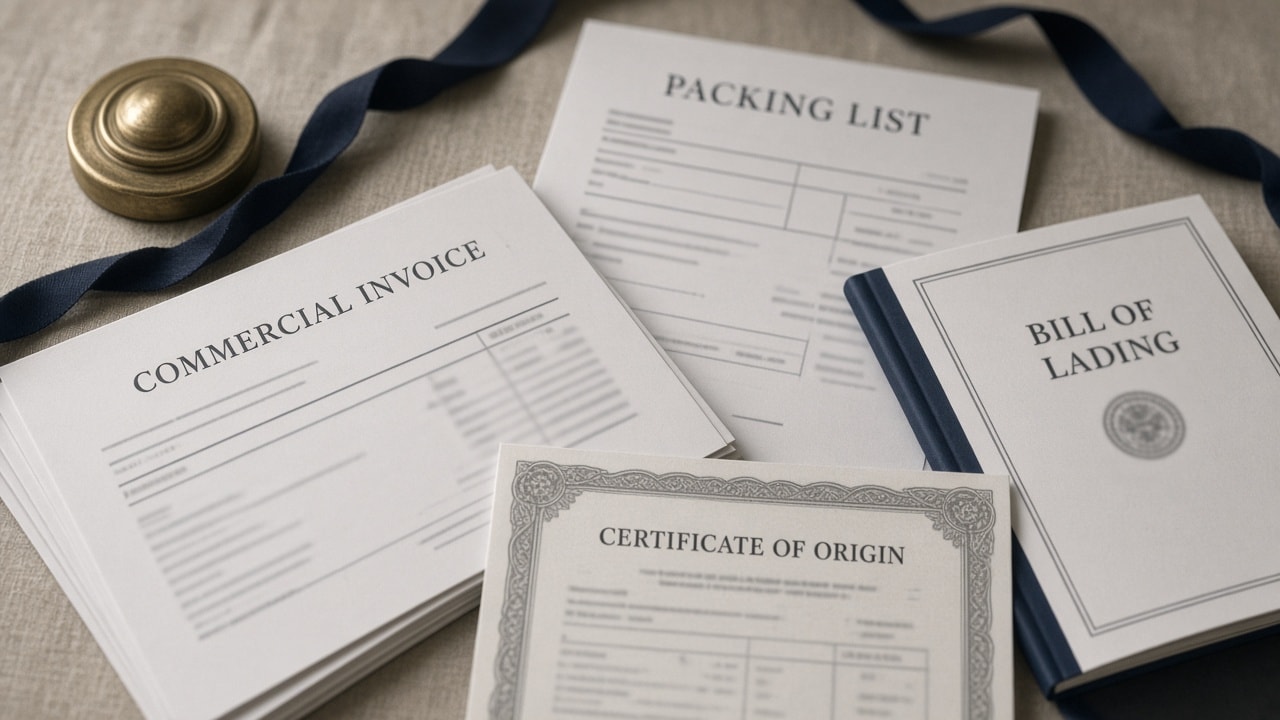
Declarations are lodged electronically through the relevant emirate's system, supported by the commercial invoice, packing list, transport document and certificate of origin, plus any permit the goods require. The declaration type differs depending on whether goods are entering the mainland, entering or leaving a free zone, transiting, or being re-exported.
Clearance is where the consequences of every earlier decision become visible. If the classification is defensible, the documents reconcile and the permits are in place, clearance is administrative. If they are not, it becomes a negotiation conducted while storage charges accrue.
The process is emirate-specific. Dubai Customs, Abu Dhabi Customs and the authorities in Sharjah, Ajman, Ras Al Khaimah, Fujairah and Umm Al Quwain each administer declarations for goods entering through their ports, with their own systems and procedural detail, inside the federal and GCC framework.
This page describes clearance as a service distinct from customs consulting. Consulting establishes what should be declared; clearance submits it and obtains release.

Service summary
- Service
- Customs clearance
- Coverage
- All seven emirates of the UAE
- Typical clients
- Importers bringing goods into the UAE
- Where to start
- Send us the shipment details
Often combined with
What it covers
Scope of the service
Specific, so you can tell whether it matches what you need — and whether anything you need is missing.
- Import declarations
- Lodging declarations for goods entering the UAE mainland from outside the country or from a free zone, with the correct declaration type for the movement.
- Export and re-export declarations
- Declarations for goods leaving the UAE, including re-export of goods that entered previously, where the original entry record has to be matched.
- Free zone movements
- Transfers into, out of and between free zones, where duty suspension and the customs treatment of the movement have to be applied correctly.
- Transit movements
- Goods passing through the UAE to another destination, moved under customs control with the transit obligation properly discharged.
- Duty and VAT settlement
- Calculating and settling customs duty and any applicable import VAT, and applying exemptions or preferential treatment where the goods qualify and the evidence supports it.
- Inspection attendance and query handling
- Representing the consignment where customs selects it for examination, responding to valuation or classification queries, and resolving document deficiencies.
- Delivery order and release
- Obtaining the release documentation the terminal requires so transport can collect without a second visit.
Process
How it works
What happens, in what order, and what we need from you at each stage.
Document collection and check
Commercial invoice, packing list, bill of lading or air waybill, certificate of origin and any permit, checked against each other before anything is submitted.Declaration preparation
Declaration type selected for the actual movement, HS codes applied, value declared on the correct basis, and duty and VAT calculated.Lodging and payment
Submission to the relevant emirate's customs system and settlement of the assessed charges.Inspection or query resolution
Where the consignment is selected for examination or a query is raised, we attend and respond rather than passing the problem back to you.Release and collection
Release confirmed and the delivery order issued, with transport already arranged so the cargo moves without waiting.Record retention
The declaration and supporting documents returned to you in a form you can retain for audit, since the obligation to hold records sits with the importer.
Who it is for
Typical situations
If none of these describe you, the service may not be the right fit — and it is better to establish that now.
- Importers bringing goods into the UAE
- Businesses that need declarations lodged accurately and cargo released without avoidable storage.
- Exporters and re-exporters
- Companies shipping out of the UAE, including re-export of previously imported goods where the entry record must be matched.
- Free zone entities
- Traders and manufacturers moving stock across the free zone boundary in either direction.
- Businesses handling regulated goods
- Importers of food, pharmaceuticals, cosmetics, telecoms equipment or goods requiring conformity approval, where a permit sits alongside the declaration.
What you get
Why it is worth doing this way
- Documents checked before submission
- Most queries are caused by documents that contradict each other. Reconciling them first is cheaper than answering the query later.
- Clearance and transport on one file
- Release and collection are planned together, so cargo is not sitting on a terminal waiting for a vehicle to be arranged.
- Queries handled, not forwarded
- Where customs raises a valuation or classification question, we respond with the reasoning already documented at advisory stage.
- Records you can keep
- You receive the declaration and supporting set in retainable form, because the record-keeping obligation is yours.
Information required
Documents typically required for UAE customs clearance
The exact set depends on the goods, the mode and the declaration type. For a standard commercial import, expect:
- Commercial invoice showing value, currency, terms of sale and a clear goods description
- Detailed packing list with weights, dimensions and package counts
- Bill of lading (sea), air waybill (air) or road consignment note
- Certificate of origin, particularly where preferential treatment is claimed
- Delivery order from the carrier or agent
- Import permit or approval where the goods are restricted or regulated
- HS code and correct goods classification
- Importer trade licence and customs registration details
Requirements vary by commodity, mode and destination. We confirm the set that applies to your consignment rather than working from a generic list.
FAQs
Customs clearance — common questions
How long does customs clearance take in the UAE?
Who is responsible for clearing customs — the buyer or the seller?
What happens if my goods are held by customs?
Do I pay VAT as well as customs duty on imports?
Can goods be cleared in one emirate and delivered to another?
Related pages
Next step
Need customs clearance for a shipment?
Send us what you are moving and we will come back with the position, the plan and the price — or the questions we need answered first.
- No obligation, and no account setup required to get a quote
- We say what we handle ourselves and what we would arrange for you
- If a shipment is not viable as described, we will tell you that too